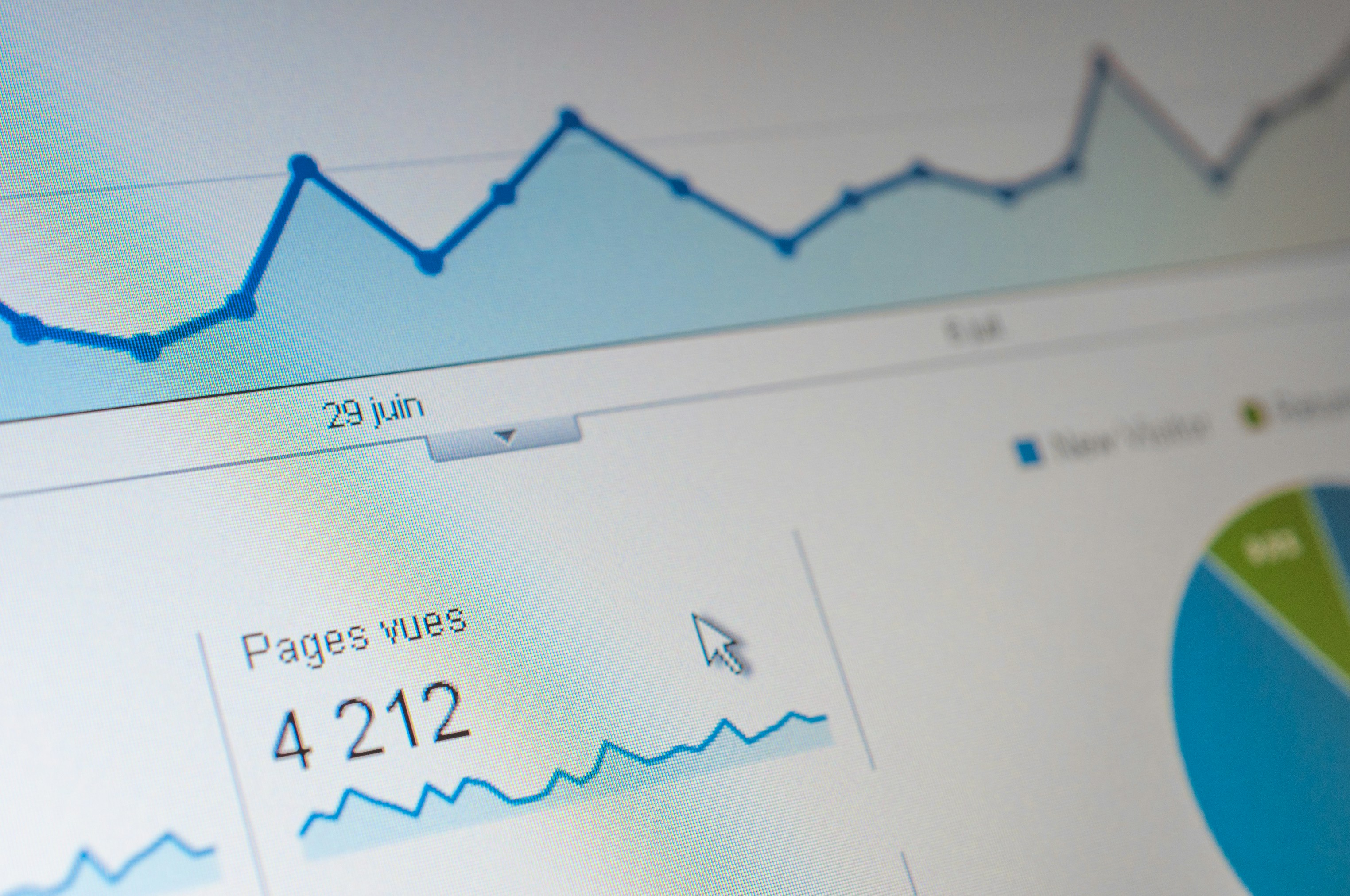
Introduction to Data Analytics in Business
In the digital landscape of modern commerce, data analytics has emerged as a pivotal tool that empowers businesses to navigate the complexities of consumer behavior and market dynamics. Data analytics refers to the systematic computational analysis of data, designed to uncover meaningful patterns, correlations, and insights from vast volumes of information. Its relevance is underscored by the rapid evolution of technology, which has enabled the collection and analysis of data at unprecedented scales. For online businesses, leveraging data analytics is not merely a choice but a necessity for sustaining competitive advantage.
Data analytics plays a crucial role in today’s business environment. As online transactions grow exponentially, companies become overwhelmed with data from various sources, including customer interactions, transaction records, social media engagements, and web traffic. Effectively harnessing this data enables organizations to make informed decisions, develop innovative marketing strategies, and enhance overall customer experience. Online businesses, in particular, have a unique opportunity to capitalize on data-driven insights to adapt their offerings and respond to evolving industry trends.
Moreover, online businesses apply data analytics in several key areas, including customer segmentation, predictive modeling, and performance measurement. By analyzing customer demographics and purchasing behaviors, companies can create tailored marketing campaigns that resonate with specific audiences. Predictive analytics allows organizations to forecast demand and identify future trends, enabling them to allocate resources effectively and optimize inventory. Meanwhile, performance metrics driven by data analytics provide essential feedback on campaign effectiveness, guiding strategic adjustments in real-time. Overall, the integration of data analytics into business operations is crucial for fostering growth and maintaining relevance in an ever-changing market.
Types of Data to Analyze
To harness the full potential of data analytics in driving practical online business trend analysis, organizations must focus on various types of data. This multifaceted approach allows businesses to identify trends and make informed decisions based on comprehensive insights. One of the key categories is customer data, which encompasses demographic information, purchasing behavior, and customer preferences. Understanding this data enables businesses to tailor their products and marketing strategies to meet the needs of their target audience, ultimately enhancing customer satisfaction and loyalty.
Another necessary type is sales data, which provides insights into product performance and revenue generation. Analyzing sales figures not only helps in understanding which products are thriving but also reveals seasonal trends, customer buying cycles, and opportunities for upselling or cross-selling. By examining sales data alongside customer data, businesses can create a more robust picture of their market positioning and identify potential areas for growth.
Web traffic data is also essential for online businesses. Monitoring metrics such as page views, bounce rates, and user engagement provides valuable information on how visitors interact with a website. This helps in assessing the effectiveness of marketing campaigns, refining website design, and improving the overall user experience. By analyzing web traffic, businesses can attract more visitors and convert them into customers.
Lastly, social media metrics play a crucial role in understanding brand perception and audience engagement. Data from social media platforms, such as likes, shares, comments, and follower growth, reflects how well a business connects with its audience. Evaluating this data can illuminate trends in customer sentiment and brand awareness, leading to more effective social media strategies and improved customer relationships.
Tools and Software for Data Analytics
In the realm of online business, data analytics plays a crucial role in guiding decision-making and enhancing strategy. A variety of tools and software designed specifically for data analytics exist, catering to different budgets and needs. Among the free options, Google Analytics stands out as a powerful resource. It provides comprehensive website traffic insights and user behavior analysis, helping businesses better understand their audience. With features such as real-time reporting and goal tracking, Google Analytics equips businesses with essential data analysis capabilities at no additional cost.
On the paid side, platforms like Tableau and Microsoft Power BI are widely recognized for their advanced data visualization capabilities. Tableau enables users to create interactive and shareable dashboards that effectively illustrate data patterns and trends. Power BI, while similar in function, integrates seamlessly with Microsoft products, making it a preferred choice for organizations already using Microsoft’s suite. Both tools excel at translating complex data sets into easy-to-understand visuals, which is essential for making informed business decisions.
Another noteworthy mention is Apache Spark, an open-source analytics engine renowned for its ability to handle large-scale data processing tasks. It supports real-time data analytics, which is crucial for businesses that need to make informed decisions based on current data trends. For those specifically focused on predictive analytics, IBM Watson offers robust machine learning capabilities that can be utilized to forecast future trends, providing a competitive edge to businesses that aim to stay ahead of market dynamics.
Ultimately, the choice of tools and software for data analytics largely depends on individual business needs, available budget, and the specific tasks that require attention. For data visualization, reporting, or predictive analytics, assessing these options enables businesses to select the right fit, streamlining their analytics processes for improved outcomes.
Collecting and Preparing Data
In the realm of data analytics, the first crucial step is the collection and preparation of data, which lays a solid foundation for practical online business trend analysis. The initial phase involves data sourcing, where various data inputs are identified and gathered. This can include structured data from databases, web scraping of websites, API integrations, and unstructured data from social media platforms or customer interactions. Choosing the right data sources is crucial, as they should align with the analysis objectives to ensure relevance and completeness.
Once the data is sourced, the next step is data cleaning. This process identifies and corrects inconsistencies and errors within the dataset, which is essential for maintaining data integrity and accuracy. Standard techniques in data cleaning include removing duplicates, addressing missing values, and standardizing data formats to ensure consistency. Tools such as Python libraries (e.g., Pandas) and software like OpenRefine are widely used to facilitate this process, enabling analysts to clean large datasets efficiently.
After ensuring that the data is clean, organizing the data for smooth processing is the next critical step. This involves structuring the data in a manner that supports analysis. Proper data organization can take various forms, such as categorizing data into relevant groups, creating data hierarchies, and ensuring that the data is stored in a suitable format. Best practices suggest utilizing data visualization tools for preliminary reviews to better comprehend the data landscape. Additionally, it is advisable to document the data collection and preparation process in meticulous detail. This documentation serves as a valuable reference point for future analyses, ensuring that the methodologies can be replicated and refined.
Analyzing the Data: Techniques and Approaches
In the realm of online business, practical data analysis is essential for identifying trends that can inform decision-making and strategy. Various analytical techniques serve distinct purposes, offering insights that can drive growth and adaptation in a rapidly changing market environment. The core analytical techniques include descriptive analytics, diagnostic analytics, predictive analytics, and prescriptive analytics.
Descriptive analytics primarily focuses on summarizing historical data to identify patterns and trends. For instance, an e-commerce platform may utilize descriptive analytics to assess past sales data, revealing peak selling times and popular product categories. By interpreting these trends, businesses can enhance inventory management and tailor marketing campaigns effectively, ensuring optimal resource allocation.
Moving beyond description, diagnostic analytics delves into the reasons behind past performance. By examining data through various lenses, businesses can identify causative factors for trends. For example, suppose an online retailer experiences a decline in sales. In that case, diagnostic analytics helps uncover whether this shift results from changes in customer preferences, increased competition, or external economic factors. This insights-driven approach allows businesses to strategize effectively to mitigate similar situations in the future.
Predictive analytics, on the other hand, employs statistical algorithms and machine learning techniques to forecast future outcomes based on historical data. For an online business, this might involve predicting future buying behavior or anticipating market trends. By integrating predictive analytics into their operations, companies can proactively address potential challenges and capitalize on emerging opportunities.
Lastly, prescriptive analytics provides actionable recommendations based on data insights, not just predictions. This technique enables businesses to make informed decisions about resource allocation, marketing strategies, and strategic planning. For example, a company may utilize prescriptive analytics to determine optimal pricing strategies or promotional campaigns, aligning their actions with anticipated market conditions.
In summary, employing these analytical techniques enables online businesses to thoroughly harness data, revealing trends and actionable insights that can significantly influence their strategic direction.
Interpreting Data Insights for Business Strategy
Practical interpretation of data insights is crucial for formulating effective business strategies in today’s competitive online environment. Businesses generate enormous volumes of data, yet the challenge lies in turning this data into actionable insights. To harness the full potential of analytics, it is crucial first to understand the patterns that emerge from data findings. Patterns can reveal trends and correlations that are not immediately apparent, enabling businesses to identify opportunities for growth or areas that require improvement.
One key aspect of interpreting data is the use of statistical analysis to make forecasts. By employing historical data and advanced analytics techniques, businesses can predict future behaviors, trends, and market demands. This predictive capability enables organizations to allocate resources effectively, develop new products, or refine their marketing strategies to meet customer expectations better. A thorough understanding of forecasting models, such as linear regression or time-series analysis, can empower decision-makers to anticipate shifts in their respective markets and pivot their strategies accordingly.
Translating data insights into strategic actions involves aligning these findings with the organization’s goals and market trends. This requires a multi-disciplinary approach where data analysts collaborate with marketing, sales, and financial teams to ensure that strategies are not only data-driven but also practically viable. Furthermore, interactive data visualization tools can enhance communication and comprehension, making it easier to grasp complex insights quickly and effectively. As a result, stakeholders can engage more meaningfully in discussions about the implications of data findings on future business directions.
Ultimately, the interplay between interpreting data insights and developing robust business strategies is pivotal for sustaining a competitive edge. By systematically analyzing and acting upon data, organizations can not only enhance operational efficiencies but also foster innovation in product and service offerings that resonate with current and potential customers.
Real-World Case Studies
In the contemporary digital landscape, numerous organizations have adeptly leveraged data analytics to bolster their online business strategies. A prime example is Amazon, which utilizes sophisticated algorithms to analyze consumer behavior and purchasing patterns. By employing data analytics, Amazon can predict product demand, optimize inventory levels, and enhance personalized marketing strategies. This predictive capability not only increases sales but also significantly improves customer satisfaction through targeted recommendations.
Another compelling case is Netflix, which has transformed the entertainment industry through its data-driven approach. By analyzing viewing habits, preferences, and user interaction patterns, Netflix efficiently curates content and recommends shows or movies tailored to individual users. This use of predictive analytics has led to an increase in viewer retention rates, as subscribers are more likely to engage with content that resonates with their interests. Furthermore, Netflix utilizes these insights to inform its decisions on original content production, ensuring that investments align with viewer trends and thereby maximizing profitability.
Shopify presents a further example of a successful data analytics application in an online business context. By providing merchants with insights into consumer purchasing behaviors, Shopify enables its users to make informed decisions about product offerings and marketing strategies. The platform leverages data analytics to identify seasonal trends and emerging market demands, allowing the merchants to adjust their inventory strategies accordingly. This agility results in enhanced sales performance and customer loyalty, as merchants can respond to market changes in real-time.
These case studies highlight the crucial role that data analytics plays in enabling practical trend analysis within online businesses. By employing data-driven decision-making, companies are better equipped to identify emerging trends, enhance customer experiences, and ultimately improve their bottom line.
Challenges of Data Analytics in Online Business
Implementing data analytics in online businesses offers significant advantages but also presents numerous challenges that can hinder effective data utilization. One of the most pressing concerns is data privacy. As companies collect vast amounts of sensitive customer data, ensuring compliance with regulations such as GDPR and CCPA becomes critical. Failing to address these regulations not only risks hefty fines but can also damage a company’s reputation. Therefore, businesses must prioritize data governance frameworks and invest in tools that ensure data protection while enabling analytics.
Another challenge often encountered is analysis paralysis, where decision-makers become overwhelmed by the sheer volume of data available. As online businesses gather data from various sources, interpreting and synthesizing this information can be a daunting task. This situation can lead to indecision or delayed responses to market changes. To combat analysis paralysis, organizations can adopt a streamlined approach to data analytics, focusing on key performance indicators (KPIs) that directly impact their goals. Utilizing data visualization tools can simplify complex datasets, providing clearer insights for swift decision-making.
Moreover, the need for skilled personnel poses a significant barrier to effective data analytics. Many organizations struggle to find qualified analysts who can turn data into actionable insights. This skills gap can lead to suboptimal use of analytics platforms, ultimately affecting business performance. To mitigate this issue, online businesses can invest in training programs or partner with data-driven agencies to bridge the expertise gap. Additionally, fostering a culture of continuous learning within the organization can empower employees at all levels to effectively leverage data.
These challenges must be addressed collectively for online businesses to harness the full potential of data analytics. By implementing robust privacy measures, developing focused analytics strategies, and fostering skill development, organizations can turn these obstacles into opportunities for growth and improvement.
Future Trends in Data Analytics for Online Businesses
The landscape of data analytics is continuously evolving, particularly in the context of online businesses. As technology advances, several emerging trends are poised to redefine how companies harness data to inform decision-making processes and drive growth.
One of the most significant advancements is the integration of artificial intelligence (AI) and machine learning (ML) into data analytics. These technologies enable businesses to analyze vast amounts of data with unprecedented speed and accuracy. Through AI-driven algorithms, online companies can uncover patterns and trends that were previously hidden, allowing for a more nuanced understanding of consumer behavior and preferences. This capability enables companies to tailor their marketing strategies, enhance customer experiences, and ultimately increase their bottom line.
In addition to AI and ML, the importance of real-time data continues to grow. In a rapidly changing digital marketplace, having access to up-to-the-minute information is crucial for making informed decisions. Real-time data analytics helps businesses respond quickly to shifts in consumer demand, emerging market trends, or other critical factors that may impact their operations. As such, organizations that implement real-time analytics tools will be better positioned to adapt and remain competitive.
To prepare for these changes, online businesses should invest not only in technology but also in talent. Developing a workforce skilled in data analytics will enable companies to effectively leverage AI and real-time data capabilities, ultimately enhancing their competitiveness. Furthermore, cultivating a culture that prioritizes data-driven decision-making is crucial for achieving long-term success. Training existing employees and recruiting new talent with expertise in data analytics will ensure businesses can navigate future challenges and capitalize on new opportunities.
In conclusion, the future trends in data analytics present both challenges and opportunities for online businesses. By embracing advancements in AI, machine learning, and real-time data, companies can gain a competitive edge and thrive in an increasingly digital world.
My Contact information:
Arthur Cleveland
(813) 215-7603
artcleveland@marketermavenhub.com
Leave a Reply